In the fast-paced world of business, communication plays a vital role in ensuring smooth operations and customer satisfaction. Whether you are a small business or a large enterprise, the ability to send and receive mail efficiently can make a significant difference. With the rise of digital transformation, have emerged as a game-changer for companies looking to streamline their mailing processes, reduce costs, and improve accuracy.
The Evolution of Mailing Systems
Traditionally, businesses relied on manual mailing processes that were time-consuming, labor-intensive, and prone to human errors. From printing invoices and statements to addressing envelopes and sending out bulk mail, these tasks required significant resources. However, as technology advanced, companies sought more efficient ways to handle their mailing needs. This led to the development of automated mailing solutions, which leverage automation and software integration to simplify and optimize the entire mailing workflow.
How Automated Mailing Solutions Work
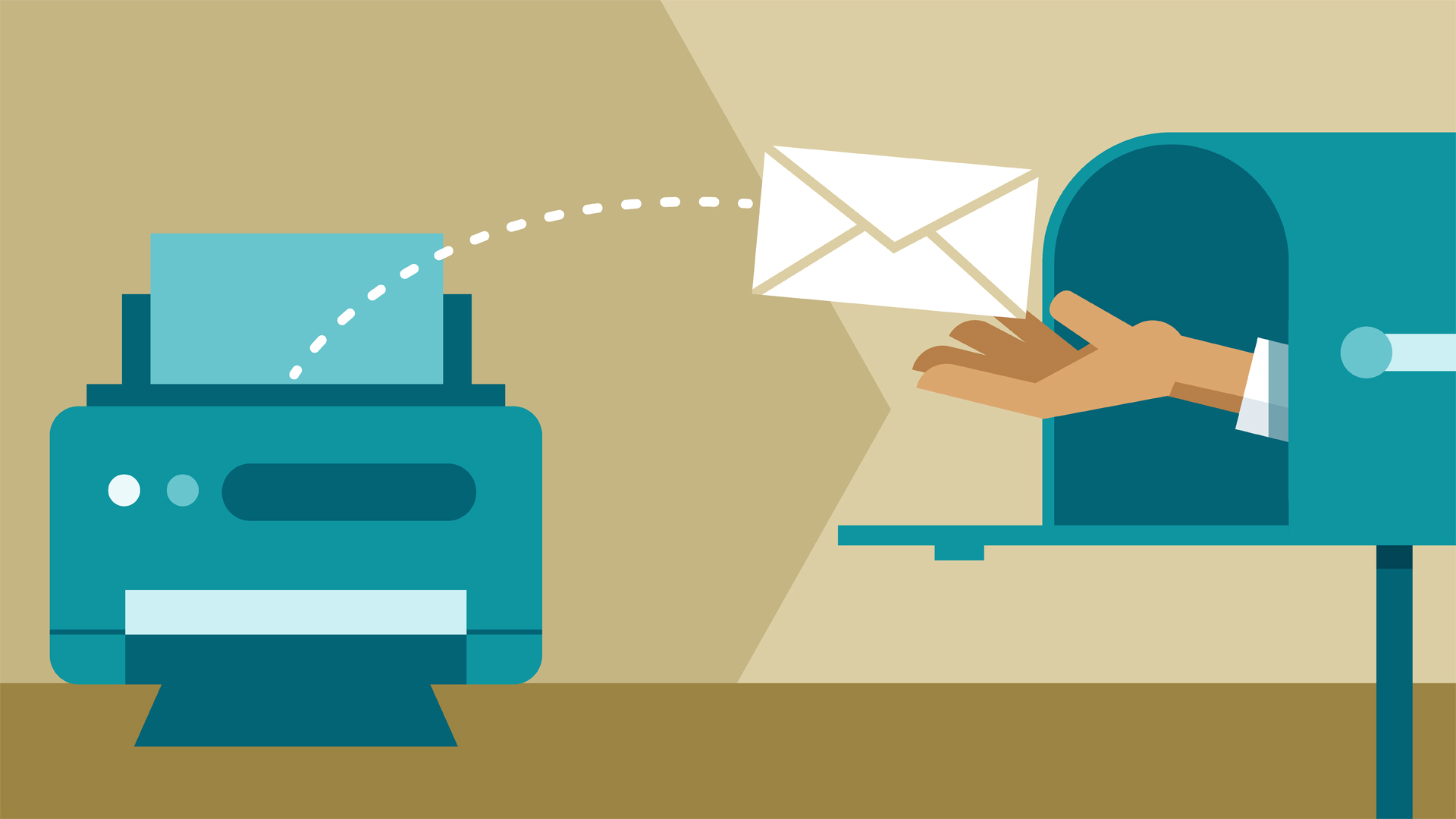
Automated mailing solutions integrate advanced software and hardware to handle mail processing with minimal human intervention. These systems can automatically print, sort, fold, insert, and seal documents before dispatching them through postal services or electronic delivery channels. The use of automation ensures that businesses can send large volumes of mail quickly and accurately, eliminating the risk of human errors.
Key Features of Automated Mailing Solutions
Bulk Mail Processing: Businesses can send thousands of letters, invoices, or promotional materials in a fraction of the time it would take manually.
Address Verification: Advanced mailing solutions use address verification technology to reduce undelivered mail and improve accuracy.
Integration with Business Software: Modern systems seamlessly integrate with Customer Relationship Management (CRM) and Enterprise Resource Planning (ERP) platforms, enabling businesses to send automated correspondence.
Cost Reduction: Automating mail processes reduces labor costs, paper waste, and postal expenses, leading to significant savings.
Security and Compliance: These solutions ensure data privacy and compliance with industry regulations, making them ideal for financial, healthcare, and legal sectors.
The Role of Print and Mail API in Automated Mailing
One of the most revolutionary aspects of automated mailing solutions is the integration of . This technology allows businesses to automate their print and mailing operations through software applications, eliminating the need for manual intervention.
What is a Print and Mail API?
A print and mail API is a cloud-based or on-premises solution that enables businesses to send documents for printing and mailing programmatically. Through API calls, businesses can trigger mail dispatch, track deliveries, and manage mailing operations efficiently. This technology is particularly useful for e-commerce, billing, financial services, and marketing campaigns, where timely and accurate mailing is crucial.
Benefits of Using Print and Mail API
Seamless Automation: Businesses can generate and send invoices, statements, and notifications without human intervention.
Scalability: Whether you need to send a few hundred letters or millions, a print and mail API can handle large volumes effortlessly.
Customization: Companies can personalize letters, invoices, and marketing materials with dynamic content.
Tracking and Reporting: Real-time tracking of mail ensures that businesses can monitor the status of their shipments.
Improved Customer Experience: Faster and more reliable mailing leads to higher customer satisfaction and retention.
Implementing Automated Mailing Solutions in Your Business
For businesses looking to adopt automated mailing solutions, the first step is to assess their current mailing processes and identify inefficiencies. Choosing the right print and mail API provider is crucial, as different solutions offer varying levels of integration, security, and customization.
Steps to Implement Automated Mailing Solutions
Evaluate Business Needs: Identify the types of documents you need to send and the frequency of mail dispatch.
Select a Provider: Choose a reputable print and mail API provider that offers scalability, security, and integration capabilities.
Integrate with Existing Systems: Ensure that the solution integrates seamlessly with your CRM, ERP, and other business tools.
Test the System: Before full deployment, conduct tests to ensure smooth operation and address any technical issues.
Monitor and Optimize: Regularly review performance metrics and optimize processes for efficiency and cost-effectiveness.
The Future of Automated Mailing Solutions
As businesses continue to embrace digital transformation, the demand for automated mailing solutions and print and mail API technology will continue to grow. Emerging technologies such as artificial intelligence (AI) and machine learning are expected to further enhance mailing automation by improving predictive analytics, optimizing delivery routes, and personalizing customer communications.
Conclusion
In today’s competitive business landscape, efficiency, accuracy, and cost savings are crucial for success. Automated mailing solutions and print and mail API technology provide businesses with the tools they need to streamline their mailing operations, reduce costs, and enhance customer experience. By adopting these solutions, companies can stay ahead of the curve, ensuring seamless communication and operational excellence in an increasingly digital world.
In today’s fast-paced digital world, marketing strategies have evolved, with businesses investing heavily in online advertising, email campaigns, and social media promotions. However, one traditional method that continues to yield exceptional results—especially in the real estate industry—is direct mail marketing. Despite the rise of digital marketing, remains a powerful tool for reaching potential buyers and sellers.This blog explores why direct mail marketing for real estate is still relevant, how it can be effectively executed, and the role of professional direct mail services in optimizing campaigns.
Why Direct Mail Still Works in Real Estate
Real estate is a highly competitive industry where standing out is essential. While digital ads and social media outreach are effective, they often get lost in the overwhelming sea of online content. Direct mail, on the other hand, has a tangible presence, making it more memorable and engaging for recipients.Here’s why direct mail remains a powerful marketing strategy for real estate professionals:
1. Higher Engagement Rates
Compared to emails and digital ads, direct mail enjoys significantly higher open rates. Studies show that physical mail tends to be opened 90% of the time, while email open rates hover around 20%. Homeowners are more likely to open a well-designed real estate postcard or letter than a generic marketing email that might end up in their spam folder.
2. Personalized Approach
Direct mail allows real estate agents to personalize their message effectively. Addressing the recipient by name, tailoring offers based on their neighborhood, and using high-quality images of local properties create a stronger connection. Personalization increases trust, which is critical in real estate transactions.
3. Less Competition in the Mailbox
Unlike digital marketing, which is highly saturated, direct mail faces less competition. While inboxes are flooded with promotional emails daily, physical mailboxes receive fewer marketing materials, giving real estate agents a better chance of capturing attention.
4. Tangibility and Credibility
Holding a beautifully printed postcard or letter builds credibility. A well-designed direct mail campaign conveys professionalism, making potential clients more inclined to trust the sender. In real estate, trust is a crucial factor in decision-making.
5. Targeted Reach
One of the biggest advantages of is the ability to target specific demographics. Real estate agents can focus their campaigns on particular neighborhoods, income brackets, or homeowners interested in selling. Targeting the right audience ensures a higher return on investment (ROI).
How to Execute an Effective Direct Mail Campaign for Real Estate
To maximize the benefits of direct mail marketing for real estate, it’s essential to follow a strategic approach. Here’s how:
1. Define Your Target Audience
Understanding your audience is the first step in any marketing campaign. Are you targeting first-time homebuyers, homeowners looking to sell, or real estate investors? Identifying the right audience helps in crafting the perfect message.
2. Craft a Compelling Message
A well-written message can make all the difference. Keep your communication clear, concise, and persuasive. Highlight the benefits of working with you, showcase recent property sales, and include a call to action that encourages recipients to get in touch.
3. Design Visually Appealing Mailers
Presentation matters. Invest in high-quality images, attractive colors, and professional printing to make your mailers stand out. Using postcards, brochures, and flyers with engaging designs can significantly impact your campaign’s effectiveness.
4. Leverage Professional Direct Mail Services
Managing a direct mail campaign can be time-consuming, especially for busy real estate professionals. Hiring a company that specializes in direct mail services can streamline the process. These experts handle everything from design and printing to mailing and tracking, ensuring optimal efficiency.
5. Track and Optimize Performance
To measure the success of your direct mail marketing for real estate campaign, use tracking tools such as unique phone numbers, QR codes, or personalized URLs. Analyzing the response rates helps in refining future mailings for better results.
Types of Direct Mail for Real Estate Marketing
There are several types of direct mail pieces that real estate agents can use to reach their audience effectively:
1. Postcards
Real estate postcards are a cost-effective way to reach homeowners and buyers. They are visually appealing, easy to read, and can be used for various messages, such as just-sold announcements, market updates, or special offers.
2. Letters
A personalized letter allows for more in-depth communication. Whether it’s a neighborhood farming letter or a personal introduction, a well-crafted letter can create a strong impression.
3. Brochures and Flyers
For a more detailed approach, brochures and flyers provide ample space to showcase multiple listings, offer real estate tips, and highlight market trends.
4. Newsletters
A monthly or quarterly newsletter keeps potential clients engaged with valuable content, market insights, and success stories. This helps in maintaining long-term relationships.
Conclusion
While digital marketing continues to grow, direct mail marketing for real estate remains a highly effective strategy for reaching and engaging potential buyers and sellers. With higher open rates, targeted reach, and tangible credibility, direct mail is a must-have tool for real estate professionals. By leveraging professional direct mail services, agents can ensure their campaigns are executed efficiently, yielding better results and higher conversions.If you’re looking to enhance your real estate marketing strategy, consider integrating direct mail into your approach. A well-planned direct mail campaign could be the key to unlocking more leads, closing more deals, and staying ahead in the competitive real estate market.